Husqvarna Lawn Mower Robot: Revolutionizing Yard Care
Introduction
Welcome to an in-depth exploration of the innovative world of Husqvarna Lawn Mower Robots, a game-changing technology transforming lawn care practices worldwide. This article aims to equip readers with a comprehensive understanding of these robotic mowers, their impact, and the various facets that contribute to their growing significance. From technological marvels to economic implications and regulatory considerations, we will navigate the multifaceted landscape of Husqvarna Lawn Mower Robots, offering valuable insights for enthusiasts, professionals, and anyone curious about this futuristic approach to lawn maintenance.
Understanding Husqvarna Lawn Mower Robot: A Technological Marvel
Definition:
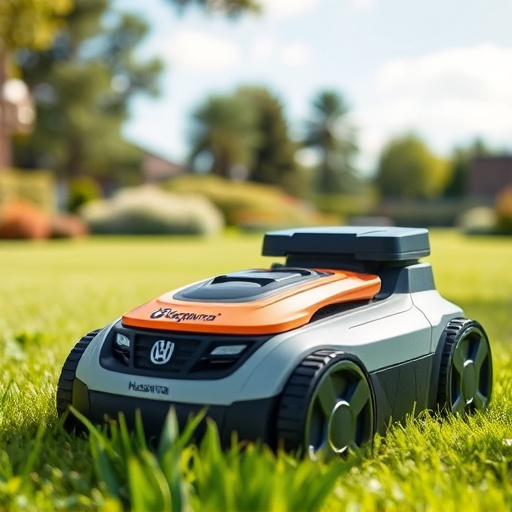
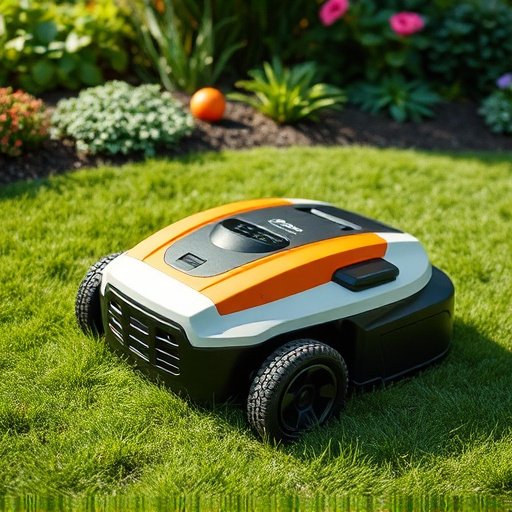
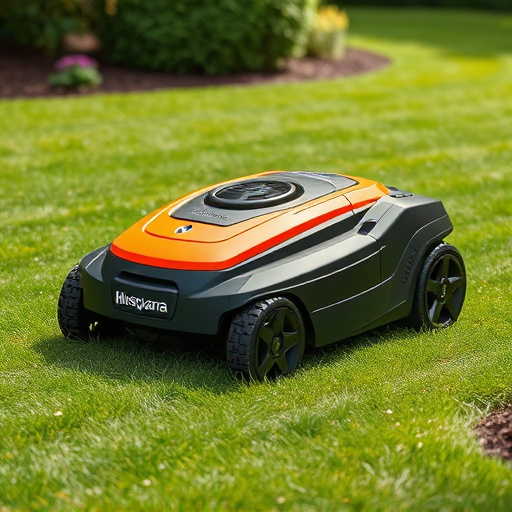
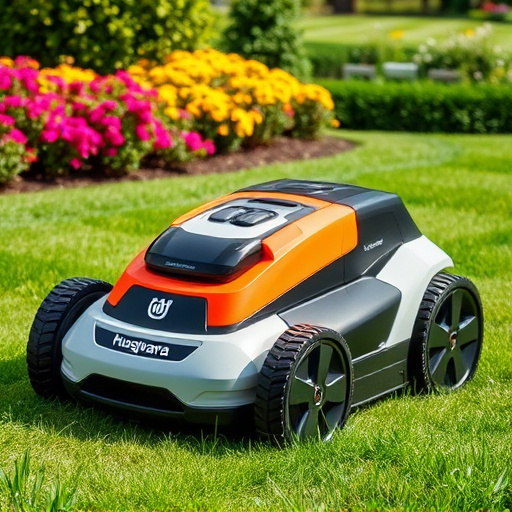
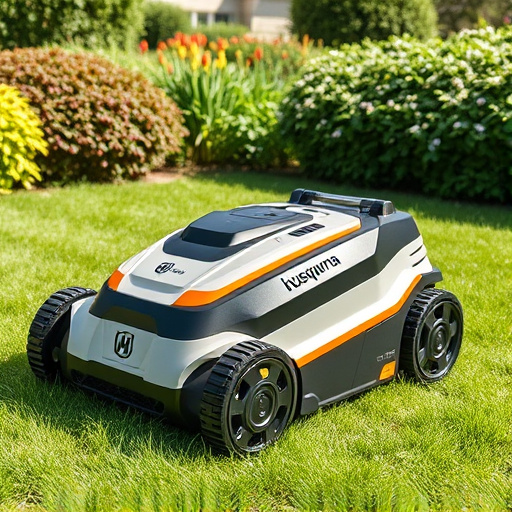
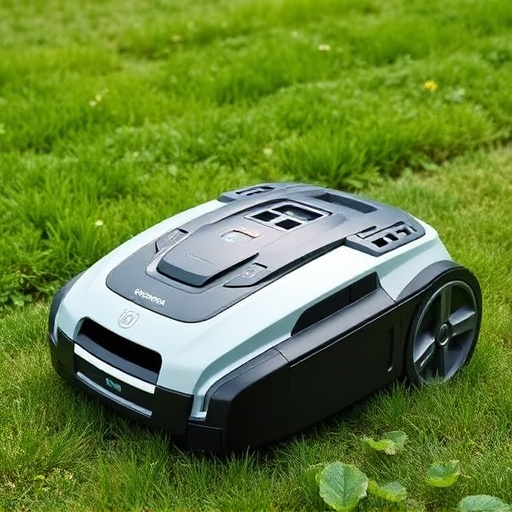
A Husqvarna Lawn Mower Robot, often referred as an autonomous or robotic lawn mower, is a sophisticated machine designed to mow lawns autonomously, mimicking the efficiency of human lawn care while eliminating the need for manual effort. These robots are equipped with advanced sensors, navigation systems, and cutting-edge technology to navigate and maintain grassy landscapes.
Core Components:
Navigation System: Husqvarna Lawn Mower Robots utilize a combination of GPS, infrared sensors, and laser scanning to map and navigate the lawn area. This enables them to create an efficient mowing pattern while avoiding obstacles.
Cutting Mechanism: The robots employ precision cutting blades that adapt to different grass types and heights. Some models feature multi-blade systems for faster and more efficient cutting.
Power Source: These machines operate on rechargeable batteries, allowing them to work silently and cleanly without the need for petrol or diesel engines.
Sensors: Advanced sensors detect obstacles, slopes, and boundaries, ensuring safe and effective mowing. Rain sensors are also common, pausing the robot during heavy rain to prevent clogs and damage.
Connectivity: Many modern Husqvarna robots can be controlled and monitored via smartphone apps, offering users remote access to various functions.
Historical Context:
The concept of automated lawn care dates back several decades, but its practical realization has evolved significantly over time. Early prototypes faced challenges with navigation and precision cutting. However, advancements in technology, particularly in sensors, robotics, and battery efficiency, have propelled Husqvarna Lawn Mower Robots into the forefront of modern yard care. The first commercially successful models emerged in the late 2010s, capturing the attention of homeowners and professionals alike.
Significance:
Husqvarna Lawn Mower Robots represent a significant shift in lawn care practices, offering numerous benefits:
Efficiency: These robots can mow lawns faster and more precisely than traditional methods, saving time and effort for users.
Convenience: With autonomous operation, homeowners can enjoy a perfectly cut lawn without lifting a finger.
Environmental Friendliness: Electric motors reduce noise pollution and emit fewer greenhouse gases compared to petrol-powered equipment.
Safety: Advanced sensors minimize the risk of accidents, making them suitable for homes with children and pets.
Versatility: Robotic mowers can handle various lawn types, sizes, and landscapes, from small backyards to expansive fields.
Global Impact and Trends
International Influence:
Husqvarna Lawn Mower Robots have gained global recognition and adoption due to their superior performance and innovative features. Europe, North America, and Asia-Pacific regions are the primary markets, with each region showcasing unique trends:
Region
Trends
Europe
Strong emphasis on environmental sustainability drives high adoption rates of electric lawn care equipment, including robotic mowers.
North America
Growing demand for smart home technologies and convenient outdoor solutions has fueled the popularity of these robots among tech-savvy homeowners.
Asia-Pacific
Rapid urbanization and a middle-class boom have led to increased demand for efficient and automated yard care solutions, particularly in urban areas.
Key Trends Shaping the Market:
Smart Home Integration: Many Husqvarna models are designed to integrate seamlessly with smart home systems, allowing users to control mowing schedules and settings via voice assistants or smartphone apps.
AI and Machine Learning: Advanced AI algorithms enable robots to learn lawn patterns, adapt to changing conditions, and optimize cutting routes over time.
Increased Automation: Future models are expected to offer more automated features, such as self-emptying waste collection systems and intelligent scheduling based on weather data.
Customizability: Users can now personalize various settings, including mowing schedules, cutting height, and water irrigation, catering to individual lawn care needs.
Economic Considerations
Market Dynamics:
The global Husqvarna Lawn Mower Robot market has experienced steady growth, driven by rising consumer awareness of automated yard care and the environmental benefits it offers. According to a recent report by Grand View Research, the market size was valued at USD 2.1 billion in 2021 and is expected to expand at a CAGR of 13.5% from 2022 to 2030.
Investment Patterns:
Manufacturers: Companies like Husqvarna (a subsidiary of Stellantis) invest heavily in research and development to enhance existing models and introduce new, cutting-edge technologies.
Retailers: Specializing lawn care stores and online retailers have adapted their inventory to meet the growing demand, offering various Husqvarna robot models to cater to different customer segments.
Service Providers: Professional lawn care services are incorporating these robots into their operations, providing customers with efficient and consistent mowing solutions.
Economic Impact:
Job Creation: The manufacturing, retail, and service industries have experienced job growth as a result of the rising demand for Husqvarna Lawn Mower Robots.
Revenue Generation: Husqvarna and its retailers have seen increased revenue due to the premium pricing strategy associated with these advanced robotic mowers.
Reduced Operating Costs: For professional lawn care services, robots can reduce labor costs and improve overall operational efficiency.
Technological Advancements
Recent Innovations:
AI-Powered Navigation: Husqvarna has implemented advanced AI algorithms that enable robots to create detailed maps of the lawn and adapt their cutting patterns based on real-time data, ensuring consistent results.
Laser Cutting Technology: Some models utilize laser scanning for precise navigation and cutting, allowing for faster mowing and more efficient energy use.
Weather Adaptation: Integrating weather data APIs, Husqvarna robots can pause or adjust mowing schedules during adverse weather conditions, ensuring optimal performance when conditions improve.
Communication Protocols: Improved communication between robots and base stations allows for better fleet management and efficient task assignment.
Future Potential:
Autonomous Maintenance: Future models may include features for autonomous battery swapping and waste disposal, minimizing user intervention.
Enhanced Safety Features: Advanced sensors and machine learning could lead to even safer robots, capable of detecting and avoiding potential hazards in complex landscapes.
Integration with IoT (Internet of Things): Husqvarna robots could become part of a larger smart home ecosystem, allowing for comprehensive yard care management.
Material Innovation: Exploring lightweight materials can enhance maneuverability and reduce energy consumption.
Policy and Regulation
Key Policies and Regulatory Frameworks:
Safety Standards: Many countries have implemented safety standards and regulations for electric lawn care equipment, ensuring consumer protection and product quality. These standards cover electrical safety, mechanical design, and performance requirements.
Environmental Regulations: Emission standards and guidelines for outdoor power equipment play a crucial role in promoting environmental sustainability, particularly in urban areas.
Export Controls: Due to their technological sophistication, some components of Husqvarna Lawn Mower Robots may be subject to export controls, impacting global supply chains.
Influence on Development:
Regulatory compliance has driven Husqvarna and other manufacturers to innovate, leading to safer, more efficient, and environmentally friendly products. Adhering to these standards ensures that consumers receive high-quality, reliable equipment while promoting sustainable practices in yard care.
Challenges and Criticisms
Overcoming Barriers:
Despite their numerous advantages, Husqvarna Lawn Mower Robots face several challenges:
Challenge
Solutions and Strategies
High Initial Cost
Offering flexible financing options and leasing programs can make these robots more accessible to a broader market.
Limited Outdoor Use (in harsh conditions)
Developing robust, weather-resistant models and implementing smart sensors for adaptive performance in varying conditions.
Maintenance Requirements
Simplifying maintenance procedures and providing easy-to-follow digital manuals can enhance user experience.
Power Connectivity
Expanding wireless charging capabilities and designing robots that can adapt to different power sources.
Case Studies: Successful Applications
Case Study 1: Urban Lawn Care Revolution
In a bustling metropolis, a professional lawn care service adopted Husqvarna robots for maintaining lush green spaces in high-rise buildings and urban parks. The robots efficiently navigated narrow pathways and complex landscapes, providing consistent results while reducing the time and labor required for manual mowing. This case demonstrated how Husqvarna robots can transform yard care in densely populated areas.
Case Study 2: Sustainable Golf Course Management
A renowned golf course in Europe implemented Husqvarna Lawn Mower Robots to enhance its sustainability efforts. The robots reduced water consumption by precise cutting and minimized fuel emissions, aligning with the course’s eco-friendly initiatives. This application showcased the potential of these robots in large-scale outdoor spaces.
Case Study 3: Residential Community Satisfaction
In a suburban community, homeowners installed Husqvarna robots to maintain their common areas, resulting in a significant increase in overall satisfaction. The robots’ silent operation and consistent mowing quality allowed residents to enjoy their well-manicured surroundings without disturbances.
Future Prospects: Looking Ahead
Growth Areas:
Residential Market Expansion: With increasing urbanization and the rise of smart homes, the residential market is poised for significant growth, particularly in North America and Asia-Pacific.
Commercial and Industrial Applications: Husqvarna robots have potential in large-scale landscaping, sports facilities, and industrial grounds, offering efficient and consistent yard care solutions.
Global Expansion: Emerging markets in Latin America, Africa, and parts of Asia present opportunities for Husqvarna to expand its global footprint.
Emerging Trends:
AI-Driven Fleet Management: Advanced AI systems will enable remote monitoring and management of multiple robots, optimizing their deployment across large areas.
Personalized Lawn Care: Future models may offer highly customized settings, allowing users to create unique lawn care routines tailored to specific plant types and environmental conditions.
Integration with AR/VR: Augmented and virtual reality technologies could enhance user experiences, providing visual guidance for setup, maintenance, and troubleshooting.
Strategic Considerations:
Partnerships: Collaborating with smart home technology providers can expand Husqvarna’s reach into the growing market of integrated yard care solutions.
Sustainability Initiatives: Continued emphasis on environmental sustainability will be crucial, as consumers increasingly seek eco-friendly products.
User Education: Providing comprehensive digital resources and training programs can help users maximize the benefits of these advanced robots.
Conclusion: Powering Up Lawn Care
Husqvarna Lawn Mower Robots represent a significant leap forward in yard care technology, offering unparalleled efficiency, convenience, and environmental benefits. As global adoption continues to rise, these robotic mowers are reshaping how we maintain our outdoor spaces. From residential backyards to vast commercial landscapes, Husqvarna robots provide consistent, high-quality results while addressing the evolving needs of modern consumers.
The future of lawn care looks bright, with Husqvarna at the forefront, driving innovation and shaping sustainable practices worldwide. As technology advances and global trends evolve, these robots will undoubtedly play an increasingly vital role in our outdoor living environments.
FAQ Section: Answering Common Queries
Q: How do Husqvarna Lawn Mower Robots handle complex landscapes?
A: Husqvarna robots utilize advanced sensors, including laser scanning and GPS, to navigate complex terrain. They can adapt their cutting patterns and avoid obstacles, ensuring efficient mowing in diverse lawn settings.
Q: Are these robots environmentally friendly?
A: Yes, Husqvarna Lawn Mower Robots are designed with environmental sustainability in mind. Electric motors produce fewer emissions, and intelligent cutting systems minimize waste, contributing to a greener outdoor experience.
Q: Can I control the robot from my smartphone?
A: Many modern Husqvarna models offer smartphone apps for remote control and monitoring. Users can schedule mowing times, receive status updates, and even adjust settings via their mobile devices.
Q: How do these robots handle poor weather conditions?
A: Husqvarna robots are equipped with weather sensors that detect rain and other adverse conditions. They pause mowing automatically during heavy rain or extreme temperatures to prevent damage and ensure optimal performance when conditions improve.
Q: Are they easy to maintain?
A: Husqvarna robots are designed for low-maintenance operation. Regular cleaning and occasional servicing, guided by digital manuals, ensure optimal performance. Some models even offer self-emptying waste collection systems for added convenience.
The Power N Play AWD Automower is a revolutionary lawn care solution for steep slopes, featuring an advanced all-wheel-drive system that provides unparalleled stability and traction. This technology ensures consistent performance across varied i…….
The Power N Play Automower 535 AWD is a cutting-edge solution for challenging landscapes, featuring an all-wheel drive system conquering slopes up to 70%. With intelligent navigation and mapping, this powerful mower ensures consistent performanc…….
The Automower 560 EPOS is a revolutionary, user-friendly robot lawn mower that prioritizes efficient grounds management for both commercial and residential properties. With advanced technology like GPS guidance, intelligent navigation, weather a…….
The Husqvarna Automower 560 EPOS is a cutting-edge Husqvarna Lawn Mower Robot designed for efficient sports field maintenance. Its advanced navigation technology, powerful engine, and smart sensors enable precise cutting patterns while navigatin…….
The Husqvarna Lawn Mower Robot (Automower AWD) is a technological marvel in lawn care, offering stress-free and efficient maintenance. Its advanced AWD system navigates complex terrain, from inclines to uneven surfaces, while intelligent sensors…….
Power N Play robotic mowers revolutionize commercial landscaping by offering efficient, automated solutions for large areas. Outperforming traditional methods, these mowers feature advanced navigation, smart sensors, and AI algorithms for precis…….
Demanding terrain environments present unique challenges for commercial mowing, but the Power N Play Automower is designed to excel in such conditions. Featuring advanced features like powerful motors, intelligent navigation, and versatile blade…….
The Husqvarna iQ Series Automower is a powerful and intuitive lawn care solution featuring Power N Play technology. With smartphone control, self-propelling movement, advanced cutting, and weather-sensing, it navigates landscapes effortlessly. E…….
The Husqvarna Automower 535 AWD is a powerful, innovative lawn mower robot designed for challenging terrains, featuring all-wheel drive, intuitive navigation, and efficient performance. Its advanced technology ensures seamless lawn care, minimal…….
The Power N Play robotic mower transforms lawn care with its advanced pattern mowing technology and customizable features. Adapting to various lawn shapes, it ensures every inch is meticulously tended, providing a hassle-free solution for beauti…….
The Husqvarna Lawn Mower Robot is a revolutionary solution for challenging terrain, offering advanced navigation technology and robust construction to adapt to uneven surfaces, climb slopes, and navigate around obstacles. With smart sensors, AI…….
The Power N Play Automower iQ series offers wire-free lawn care revolutionizing traditional mowing with advanced navigation technology and adaptable performance for unique yard characteristics. This system, using sensors, cameras, and algorithms…….
The Husqvarna Automower 435X AWD is a powerful lawn mower robot designed for efficient slope mowing, featuring all-wheel drive (AWD) and advanced GPS mapping. Its intuitive Power N Play functionality simplifies setup and control, allowing it to…….
Power N Play is transforming lawn care with automated mowing solutions, offering efficient and time-saving alternatives to traditional manual mowing. Their over-the-air (OTA) updates, fleet management systems, and diverse Automower models cater…….
The Secure Automower EPOS robotic mower revolutionizes park maintenance with its "Power N Play" technology, offering efficient, safe, and eco-friendly grass cutting solutions. Featuring advanced navigation, precise cutting, and user-fr…….
The Husqvarna Automower 420iQ EPOS is a cutting-edge robotic lawn mower that offers convenience, efficiency, and eco-friendliness for homeowners. With its advanced GPS, AI navigation, and smartphone app integration (Power N Play), it learns yard…….
The Order Automower 580L EPOS is a revolutionary golf course maintenance solution featuring Power N Play technology for efficient, precise mowing. Its advanced navigation system maps and adapts to complex courses, ensuring top-quality turf care…….
The Power N Play Automower AWD model revolutionizes lawn care with its advanced all-wheel drive technology, effortlessly navigating uneven terrain and challenging landscapes. Its superior traction and power distribution ensure consistent cutting…….
The Automower 560 EPOS is a revolutionary Power N Play robot mower designed for efficient and seamless facility grounds maintenance. Its advanced navigation, precision cutting, and smart sensors handle complex landscapes and diverse vegetation w…….
The Automower iQ Series introduces Power N Play technology for wire-free, efficient lawn care. This innovative system uses GPS and sensors to navigate obstacles, ensuring every blade receives precise attention. By eliminating trip hazards and of…….